
Tu rutina vs ahora mismo
Dos presentes, una letra mágica (S) y una terminación (-ING).
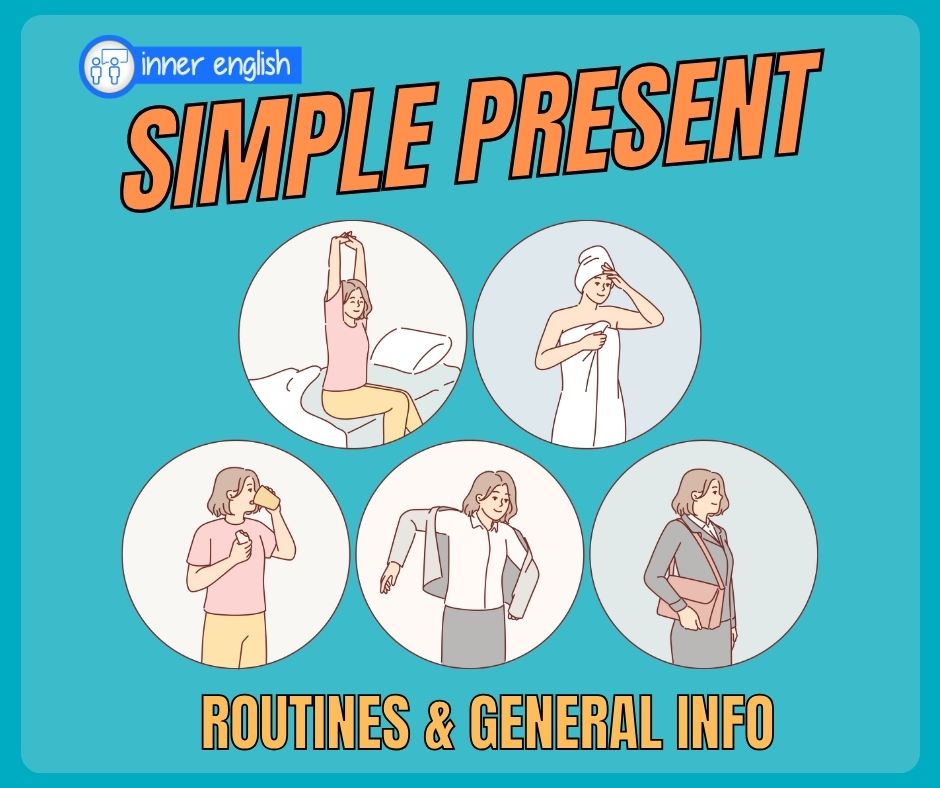
El inglés tiene dos presentes y la diferencia es sencilla: el simple es lo que haces siempre (tu rutina) y el continuo es lo que estás haciendo ahora. "I work in a bank" vs "I'm working from home today".
Presente simple: tu rutina
I
I
Presente continuo: ahora mismo
I'm
| Simple (siempre) | Continuo (ahora) |
|---|---|
| I work every day. | I'm working now. |
| She usually drinks tea. | She's drinking coffee today. |
| always, every day, usually | now, right now, at the moment, today |
Aquí el español y el inglés se parecen muchísimo. Si en español dirías estoy …ando / …iendo, casi siempre es continuo.
like, love, want, need, know describen estados, no acciones:
Practica en la app
Ejercicios interactivos gratis, con audio y diccionario. Funcionan en cualquier celular o computadora.
10Simple Present: Do & DoesPracticar 9Present ContinuousPracticar 11Present: Simple vs ContinuousPracticarBusca las palabras pista: "every day, always" piden simple; "now, right now" piden continuo. La oración casi siempre te da la respuesta.
Conclusión
Rutina: