
Plurals: almost always -s
The -s rules, the rebels that don't want it, and the things you can't count.
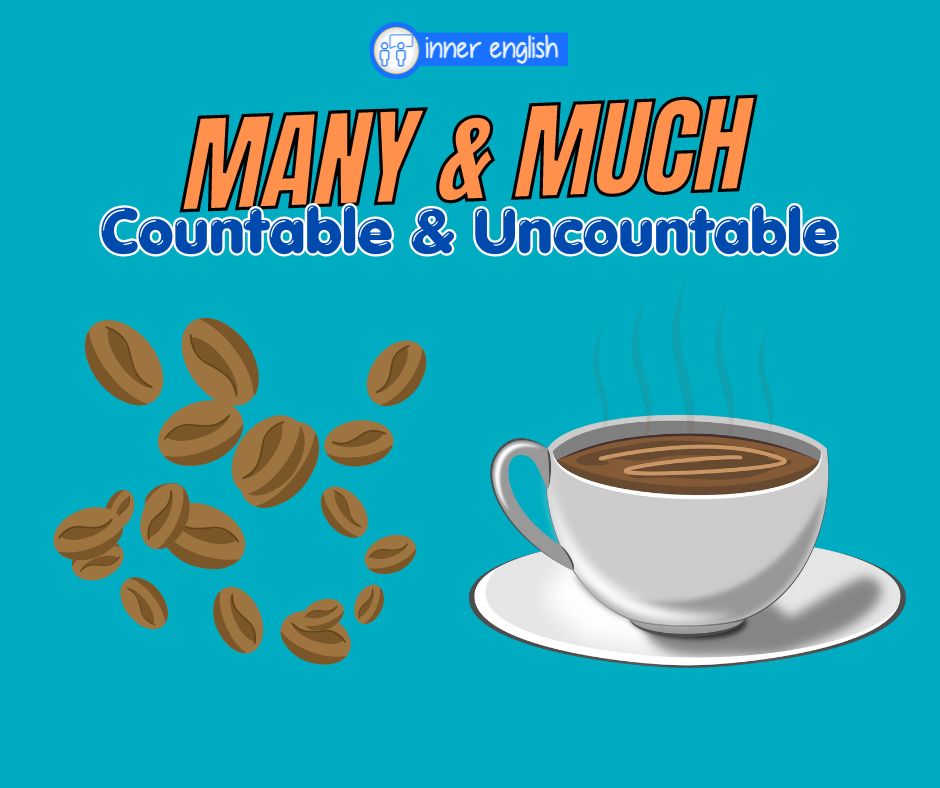
Most nouns just add -s: car, cars. Easy. But there are a few rebels (child → children) and a group with no plural at all. Here they all are.
Regular plurals
| If it ends in… | Do this | Example |
|---|---|---|
| almost any letter | + s | car → cars |
| -s, -sh, -ch, -x | + es | bus → buses, box → boxes |
| consonant + y | y → ies | city → cities |
| vowel + y | + s | boy → boys |
| -f / -fe | → ves | leaf → leaves, knife → knives |
The rebels (irregular plurals)
| Singular | Plural | |
|---|---|---|
| man / woman | men / women | the vowel changes |
| child | children | |
| person | people | |
| foot / tooth | feet / teeth | oo → ee |
| mouse | mice | |
| fish / sheep | fish / sheep | no change |
Things you can't count
Some things are a mass, not units: water, money, rice, time, information. No s and no a / an.
In Spanish you can count them (dos informaciones, tres consejos). In English you can't:
Practice in the app
Free interactive exercises with audio and a dictionary. They work on any phone or computer.
22Plural Nouns: Regular & IrregularPractice 13Countables & UncountablesPracticeLearn the irregulars out loud: "one child, two children; one person, two people". Two minutes a day.
Conclusion
Almost everything takes